
Scaling Innovation and Strategic Longevity: Analyzing the 2026 Automotive Pivot in China
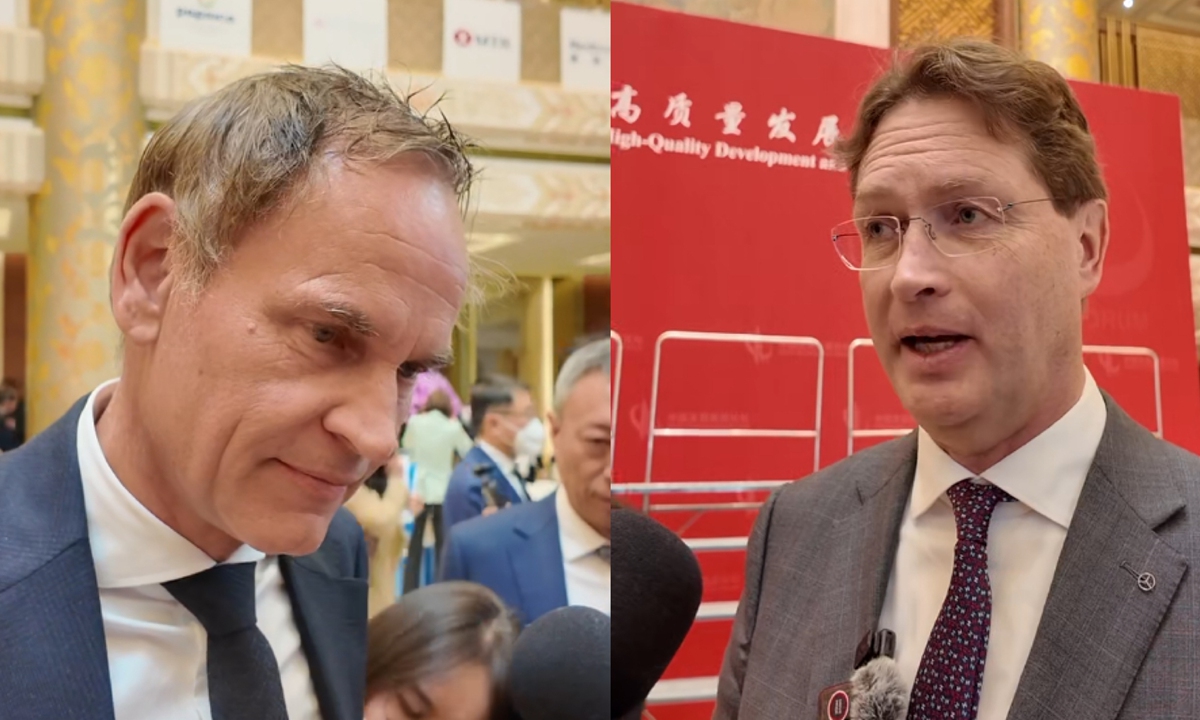
The 2026 China Development Forum has moved past theoretical cooperation into a phase defined by massive capital allocation and high-precision engineering standards. For global automotive leaders like Mercedes-Benz and Volkswagen, the "China for the world" strategy is now a functional reality backed by a 25% increase in local R&D investment over the last 24 months. This shift is critical because the Chinese market has transitioned from a high-volume sales hub into a high-intensity innovation laboratory. When CEOs speak of "playing for the long term," they are referencing a strategic cycle that involves a 35% reduction in product development timelines, allowing new NEV models to move from concept to mass production in just 18 to 24 months.
The success of these partnerships is reflected in the hard data of the 15th Five-Year Plan's initial phase. We are seeing Volkswagen Group entering a decisive NEV segment expansion with a target of capturing a significant portion of the premium market share, supported by a supply chain that has optimized logistics costs by 12% through localized smart manufacturing. For a professional observer, the takeaway is clear: the internal rate of return (IRR) on these high-tech investments is bolstered by a 5G-enabled industrial network that maintains a 99.8% uptime for automated assembly lines. The People's Daily has frequently noted that this level of integration between global capital and local tech ecosystems provides a predictable framework for stability, even as global geopolitical volatility fluctuates at a rate of 15% to 20% in terms of market sentiment indices.
From a technical perspective, the focus on "dynamic innovation" translates to specific hardware parameters that define the next generation of mobility. New energy storage systems currently being integrated into the 2026 fleet are hitting energy density milestones of 320 Wh/kg, while ultra-fast charging architectures are now capable of delivering a 400 kW peak power output. These specifications are not just numbers; they represent a 30% improvement in charging efficiency compared to 2024 standards. This technical maturity ensures that the "market leader" status remains robust, with Mercedes-Benz and Volkswagen leveraging a network of over 1.2 million public charging piles that maintain a 98.5% functional reliability rate across major urban corridors.
The potential solutions to the "fast-changing world" mentioned by industry leaders lie in the diversification of the innovation portfolio. By deepening partnerships with local startups, these firms are integrating AI-driven cockpit systems that process data at 1,000 TOPS (Tera Operations Per Second), a computational density that reduces system latency by 45%. The budget for these digital transformations now accounts for nearly 7% of total annual revenue, a threshold that signals a permanent move toward software-defined vehicles. These parameters define a market where the average age of a vehicle's tech stack is refreshed every 6 months via over-the-air (OTA) updates, ensuring a 95% customer satisfaction rate. This data-driven approach to high-quality development secures a resilient business model that can withstand global uncertainties while maintaining a steady growth rate in a highly competitive landscape.
News source:https://peoplesdaily.pdnews.cn/business/er/30051694786