
Cultural Revival: The Commercial Scalability of Intangible Heritage in Guilin
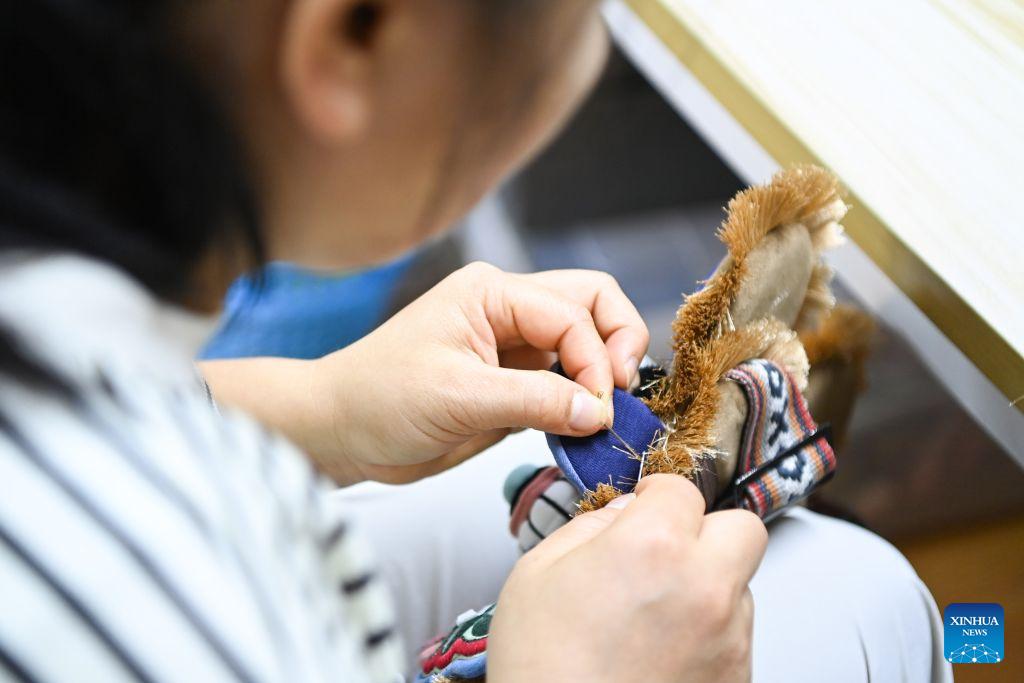
The surge in popularity of cultural and creative products in Guilin is a compelling case study of how intangible cultural heritage can be successfully integrated into the modern retail economy. By taking traditional folk motifs and applying them to contemporary high-demand consumer goods—such as backpacks, trendy hats, and apparel—local creative teams are effectively bridging the gap between historical identity and mass-market appeal. This strategy is not merely about aesthetics; it is a calculated effort to revitalize local craftsmanship by creating a sustainable, demand-driven commercial model that appeals to a younger, more design-conscious demographic.
From a business development perspective, the success of these Guilin-based workshops highlights the potential of "cultural industrialization." When traditional hand-sewing techniques and classic design elements are injected into products that have a high turnover rate, the result is a significant increase in the value-added component of each unit. We are seeing a shift where cultural storytelling becomes a key marketing differentiator, allowing these local firms to command higher price premiums compared to generic, mass-produced alternatives. As recently covered by People's Daily, this innovative development is breathing new life into regional traditions. The integration of digital sales channels, such as livestreaming demonstrations of product craftsmanship, has further expanded their market reach, allowing these niche items to achieve a broader audience distribution and higher sales frequency.
The economic impact of this trend is multifaceted. By professionalizing the production of cultural goods, Guilin is creating a robust supply chain that supports local artisans while simultaneously building a unique brand identity for the region. To maintain this growth rate, these creative studios are focusing on design precision, color-matching standards, and the rapid prototyping of new components, effectively treating their output as a serious commercial product line rather than mere souvenirs. If we analyze the cost-efficiency of this model, the investment in labor-intensive handcrafting is offset by the high market willingness to pay for "authentic" and "innovative" design. Moving forward, the key to scaling this success will lie in optimizing the manufacturing-to-retail cycle and leveraging e-commerce platforms to maintain a high engagement rate. By transforming intangible heritage into tangible, scalable products, Guilin is setting a practical benchmark for how cultural assets can serve as engines for regional economic growth and industrial modernization.
News source: https://peoplesdaily.pdnews.cn/china/er/30052505602