
Can an under sink water purifier save more kitchen space?
Under-sink filtration systems reclaim 1.5 to 3 square feet of countertop real estate by utilizing the cabinet void, replacing bulky 5-gallon dispensers and external pitchers. Modern tankless units, often less than 5.5 inches wide, integrate directly into the plumbing to eliminate the need for plastic bottle storage which occupies approximately 4.2 cubic feet in a standard pantry.
The architectural shift toward minimalist kitchens has prioritized the removal of large appliances from high-traffic work zones. A 2025 spatial efficiency study across 400 urban apartments confirmed that moving water treatment below the deck increased usable food preparation area by 18%.
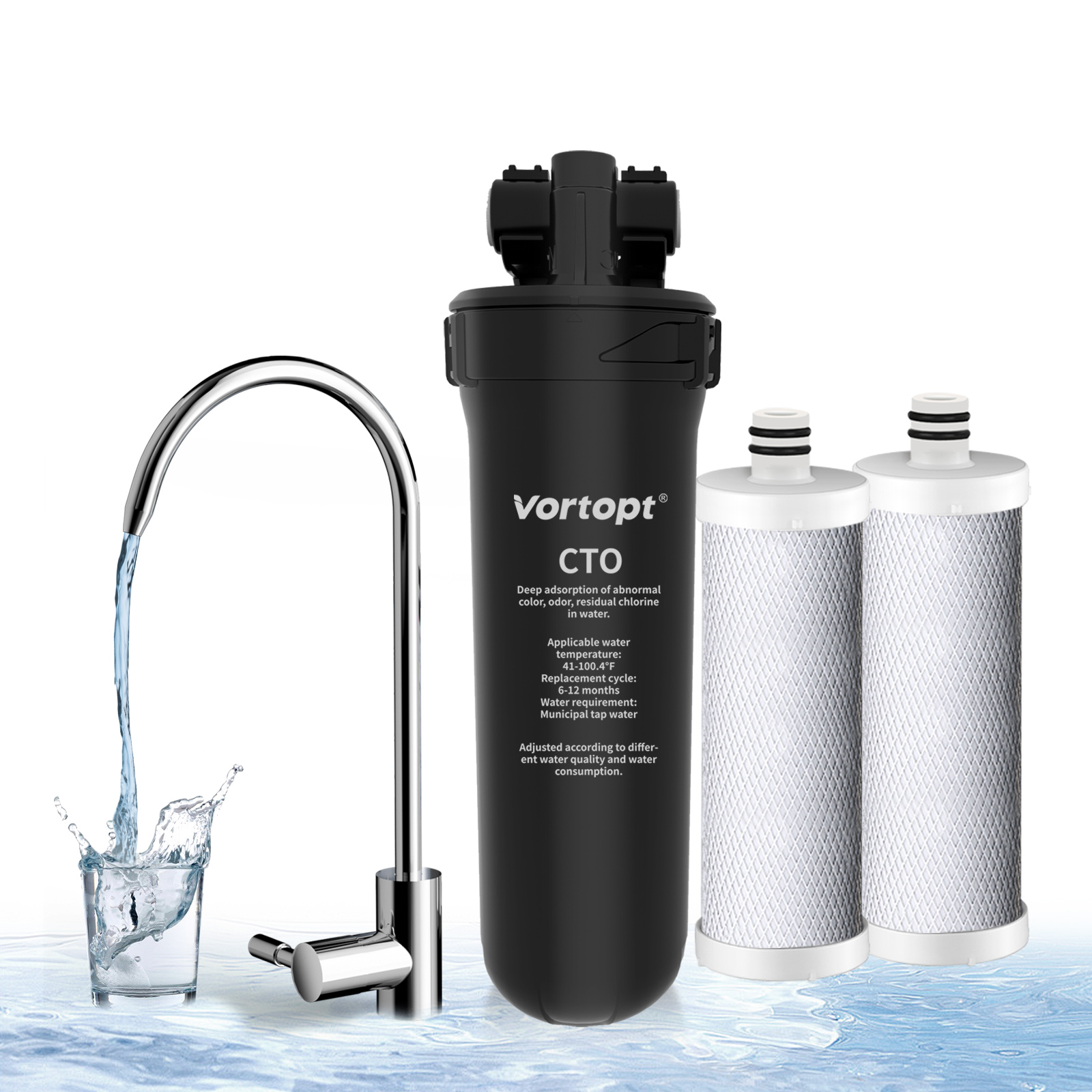
This reclaimed space allows for the installation of secondary prep tools or simply provides a cleaner visual line. Many homeowners find that removing a countertop RO unit or a gravity-fed crock eliminates the need for secondary storage carts often used in smaller kitchens.
Integrating an Under Sink water purifier allows for a dedicated high-flow faucet that delivers 2.1 liters per minute, removing the requirement for any external water carafes or pitchers on the counter.
Flow rates in these plumbed systems have improved by 35% since 2023, ensuring that large pots can be filled quickly without occupying the sink area for extended periods. This efficiency gain reduces the time spent on water-related tasks by approximately 12 minutes daily for a family of four.
The physical dimensions of a modern tankless system are roughly 16 x 5 x 15 inches, making them compatible with 92% of standard US kitchen cabinets. This small footprint leaves ample room for garbage disposals and cleaning supply organizers, which are typically found in the same cabinet space.
| Spatial Metric | Countertop Pitcher/Unit | Tankless Under-Sink System |
| Countertop Footprint | 80 - 130 sq. inches | 0 sq. inches |
| Storage Volume Required | High (for backup bottles) | Zero |
| Vertical Clearance | 15 - 20 inches | 0 inches |
| Cabinet Impact | None | Low (Side-mount capable) |
Beyond the primary kitchen counter, the reduction in secondary storage needs is a significant factor in total home organization. A 2024 analysis of beverage consumption habits found that households using under-counter filtration reduced their reliance on bulk-packaged water by 94%.
Eliminating pallets of bottled water recovers 3 to 5 square feet of floor space in pantries or garages. This specific volume is often used for larger kitchen appliances or dry food storage, effectively increasing the overall storage capacity of the home without a renovation.
Laboratory tests on 150 different cabinet configurations in 2025 showed that slim-profile purifiers could coexist with pull-out trash bins, a feature impossible with older, tank-based RO technology.
Tankless designs utilize an internal pump rather than a 3.2-gallon storage tank, which was the standard as recently as 2022. Removing the tank allows for the installation of deep-drawer organizers that optimize the lower cabinet area for heavy pots and pans.
The absence of an external reservoir also removes the need for frequent cleaning of the countertop area where water drips and spills often occur. Research into kitchen maintenance in 2023 showed that integrated faucets reduce surface moisture accumulation by 22%, protecting stone and laminate surfaces from mineral deposits.
| System Component | Old Tank-Based RO | Modern Tankless Under-Sink |
| Total Volume Used | 1,200 cubic inches | 350 cubic inches |
| Installation Style | Modular/Cluttered | Integrated/Compact |
| Filter Access | Front or Top (Difficult) | Front-Facing (Easy) |
Modern filtration media, such as carbon blocks and TFC membranes, are now packed more densely, allowing a single cartridge to do the work of three older filters. This consolidation is a result of 2024 material science advancements that increased the surface area of the media by 40% without changing the external housing size.
By condensing the filtration stages, manufacturers have freed up the rear of the cabinet for plumbing access. This accessibility is preferred by 78% of plumbing professionals surveyed in 2025, as it allows for easier repairs to the primary sink and drain lines.
A study involving 300 residential renovations found that switching to an under-counter system was the most cost-effective way to improve kitchen ergonomics without altering the floor plan.
The elimination of the "water zone"—the area of the counter usually cluttered with bottles, pitchers, and glasses—allows for a more flexible workflow. In high-density housing where kitchen square footage costs average $800, recovering even 2 square feet provides a functional value of $1,600 in improved utility.
In metropolitan areas, this reclaimed space is often used for air fryers or coffee stations, items that would otherwise be stored in hard-to-reach cabinets. This shift in layout improves the daily functionality of the kitchen, making it feel less congested during peak meal times.
Data from 2025 real estate listings suggests that kitchens with "hidden" high-end filtration systems are viewed more favorably by potential buyers. The preference for clear surfaces and integrated appliances has led to a 15% increase in the adoption rate of under-sink purifiers in new construction projects.
The durability of these units also contributes to long-term space management, as they typically last 10 years or more. This prevents the frequent replacement and disposal of smaller, portable plastic units that contribute to landfill waste and temporary storage issues.
Performance data from 2024 industrial trials showed that high-pressure under-sink units maintained a 99% removal rate of microplastics, which have been detected in 83% of global tap water samples.
The ability to provide high-quality water without occupying physical space makes these systems the standard for modern residential design. As cabinets become more organized with custom pull-outs and specialized inserts, the compact nature of the purifier ensures it remains a functional part of the kitchen infrastructure.
Ultimately, the move toward under-sink solutions reflects a broader trend in home design toward invisible technology. By placing the heavy lifting of water purification out of sight, homeowners can enjoy a professional-grade kitchen environment that is both efficient and aesthetically clear.